Inflammation in a horse moves through three phases: an acute stage marked by swelling, redness, heat, and loss of function; a sub-acute stage of regenerative processes; and a chronic stage in which consistent low-grade inflammation can cause musculoskeletal injuries, lameness, and metabolic and immune issues. Knowing what is in a horse’s feed matters too, because unnatural feed additives can be a hidden source of that chronic low-grade inflammation.
How can we support healthy inflammation and get rid of unnecessary inflammation in the body? The inflammatory process is highly complex. There are 3 main phases in the process that are helpful for horse owners to know to manage it properly.
Acute: Swelling, redness, heat, loss of function
Sub-Acute: Regenerative processes
Chronic: consistent low-grade inflammation can cause musculoskeletal injuries, lameness, metabolic & immune issues
Are there sneaky ingredients in your horse's feed that could be contributing to their inflammation?
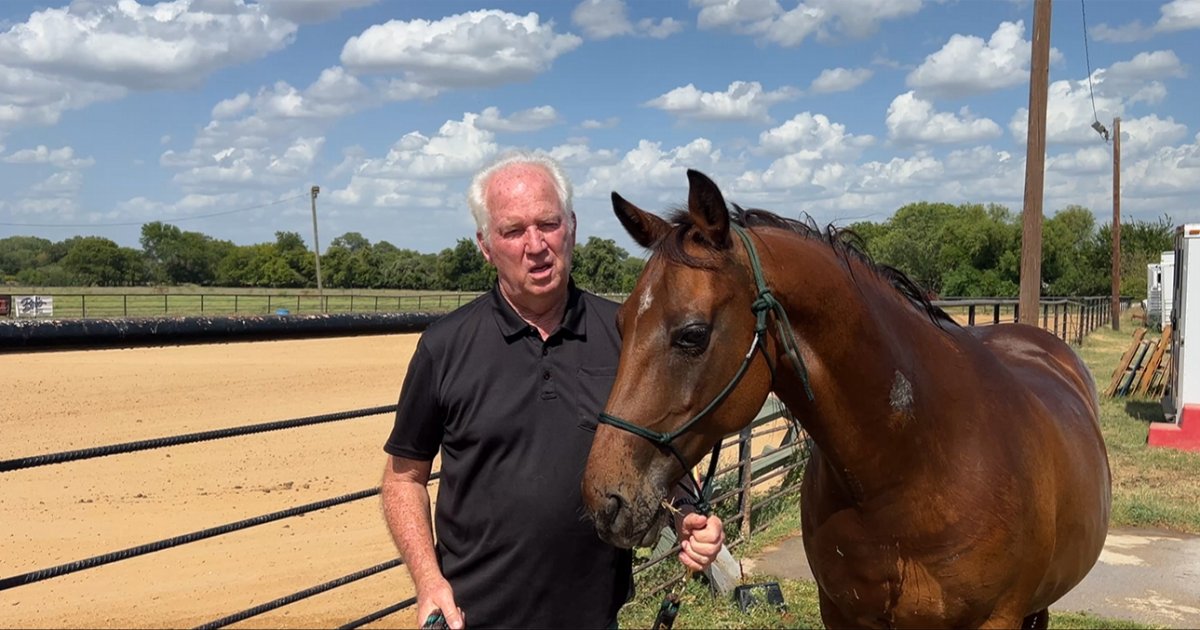
Knowing what is in our horse's feed can help us understand where low-grade chronic inflammation is coming from. Does your horse take longer to heal soft tissue injuries than others? Does your horse seem to have a weakened immune system? Does our horse have metabolic syndrome? In this 3-minute video, Erik Jackson talks about unnatural feed additives and the effects they play on the body.
Inflammatory Feed Additives
Artificial Flavors - By products of petroleum waste
Magnesium Stearate - Breaks down into stearic acid - loss in T-cell function (weakened immune system)
Butylated Hydroxytoluene (BHT) - Cancer and tumor growth in lab rats - The body can't naturally excrete it.
Sodium Benzoate - Mold inhibitor but converts to benzene in the body, a known carcinogen. Linked to chronic inflammation in animal studies.
Artificial Colors - Man-made chemical compounds, often by-products of petroleum waste and crude oil production.